The Ford Focus is a compact hatchback and sedan that Ford sold worldwide from 1998 until production ended in Europe in 2025. In the UAE it is now a used-car proposition: cheap to buy, easy to park and fun to drive, but some model years carry known gearbox issues, so the generation and transmission matter more than the mileage.
A short history of the Focus
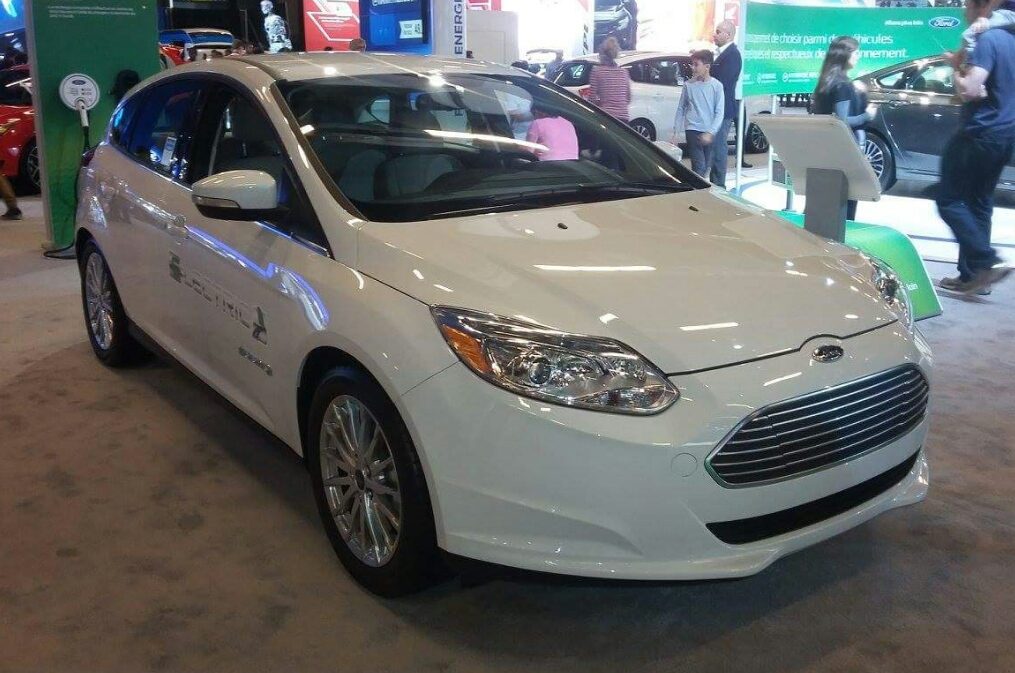
The first Focus replaced the Escort in Europe in 1998 and quickly became one of the best-selling cars on the continent, praised for its steering and handling. Over four generations it was offered as a hatchback, sedan, estate and, in some markets, a raised Active version. Performance versions, the Focus ST and the Focus RS, built a strong following among enthusiasts.
Ford gradually shifted its focus towards SUVs and electrified cars, and the Focus is no longer part of Ford’s new-car line-up in the Middle East. That makes it a used-only choice for UAE buyers today.
Generations at a glance
| Generation | Approximate years | What to know |
|---|---|---|
| First | 1998 to 2004 | Now mostly old enough to be a classic or a project car |
| Second | 2004 to 2011 | Simple mechanicals, age-related wear is the main concern |
| Third | 2011 to 2018 | Common on GCC used market; check the transmission type carefully |
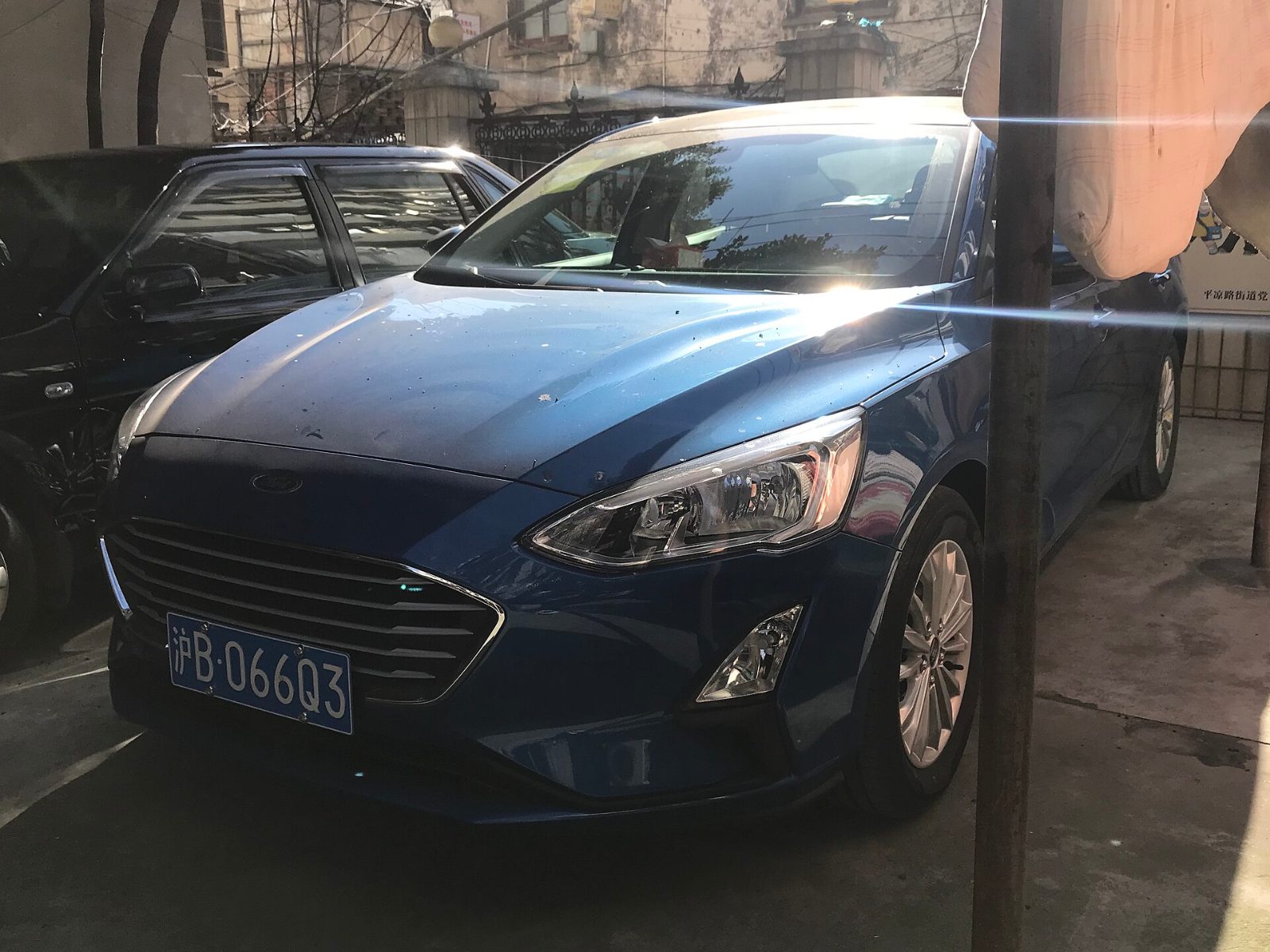
| Fourth | 2018 to 2025 | More modern tech and safety; fewer GCC examples |
Years overlap between regions because launches were staggered. Use the VIN and registration card to confirm exactly what you are looking at.
The gearbox question
Many third-generation Focus cars sold in North America and some other markets used a dry dual-clutch automatic called PowerShift. It became known for shuddering, hesitation and clutch wear, and it was the subject of extended warranty programmes and legal action in the United States. Not every Focus has this gearbox, and some cars have had clutches and control units replaced.
Before you buy a third-generation automatic
- Ask what type of automatic gearbox the car has and check service invoices for clutch or transmission control module work.
- Drive in slow traffic for at least fifteen minutes; judder usually appears when pulling away hot.
- Have an independent specialist scan the car for stored transmission faults.
- If in doubt, a manual Focus avoids the issue entirely.
What else to check on a used Focus in the UAE
Age and heat take their toll on any compact car. A good inspection covers:
- Cooling system. Look for coolant leaks, check the radiator fan runs and confirm the temperature gauge stays steady in traffic.
- Air conditioning. Compact cars have smaller A/C systems; test it at idle on a hot day.
- Suspension. Knocks over speed bumps point to worn bushes or drop links, common on older cars.
- Electrics. Check windows, central locking and the infotainment screen.
- Rubber parts. Door seals, wiper blades and engine hoses perish faster in Gulf sun.
- Paperwork. Confirm GCC or import status, accident history and outstanding finance or fines.
Budget for catch-up maintenance
An older used car often needs tyres, a battery, brake pads and fluid changes soon after purchase. Put money aside so the first month does not become a surprise.
Engines you are likely to meet
Over its life the Focus used a wide spread of petrol engines, from simple naturally aspirated four-cylinders to small turbocharged EcoBoost units, plus diesels in Europe. GCC-market cars were almost always petrol. Naturally aspirated engines are generally the least stressed choice for an older car in hot weather, while turbo engines feel stronger in traffic but are more sensitive to oil quality and cooling.
Whatever the engine, ask how often the oil was changed and which grade was used. Long oil change intervals in Gulf heat shorten engine life, and turbocharged engines are the least forgiving. A cold start that sounds rough or rattles, blue smoke on acceleration, or oil weeping around the turbocharger are reasons to walk away or negotiate hard.
Focus ST and RS
The ST and RS versions are the enthusiast choices. The RS of the third generation used all-wheel drive and a drift mode, and both are popular with track-day drivers. Performance cars are more likely to have been modified or driven hard, so look for receipts, check for non-standard tuning and favour unmodified examples with documented servicing. Insurance can be noticeably more expensive than for a standard Focus.
Focus versus current Ford alternatives
If you want a new Ford rather than a used hatchback, the closest options today are SUVs such as the Territory. They sit higher, have more space and come with a warranty, but cost more and use more fuel in traffic. Our Ford model comparison page shows the differences, and the car loan calculator helps if you are weighing a financed new car against a cash used one.
On a used Focus, the gearbox type tells you more about future costs than the odometer does.
Selling or keeping one
A well-maintained Focus is a perfectly good daily car in the UAE, especially for city driving and parking. Parts are widely available because the car was so common globally. Keep service records, deal with A/C and cooling issues promptly, and protect the interior from sun with a windshield shade.
Frequently asked questions
Is the Ford Focus still sold new in the UAE?
No, it is not part of Ford’s current new-car range in the region. You will find it on the used market.
Which Focus years have gearbox problems?
Third-generation cars fitted with the PowerShift dual-clutch automatic had well-documented problems. Check which gearbox a car has and its repair history.
Are Focus parts easy to find?
Generally yes, because the car was sold in very large numbers worldwide. Use genuine or reputable parts and check compatibility by VIN.
Is a Focus ST practical as a daily car?
Yes for many drivers, but insurance and tyres cost more and examples may have been modified. Inspect carefully.
Sources: Ford Motor Company, NHTSA recalls lookup, Roads and Transport Authority Dubai
Cover photo: Jan Kåre Rafoss from Norway, original uploader was RX-Guru at de.wikipedia, CC BY-SA 3.0. Last reviewed: 2026-11-25.



0 Comments