A UAE summer is the hardest season of the year for any car. For Ford owners, the essentials are a healthy battery, a cooling system and AC in good condition, tyres at the right pressure and not too old, protected paint and interior, and a small emergency kit in the car. A pre-summer check in April or May prevents most of the breakdowns seen on the roadside in July and August.
The pre-summer checklist
| System | What to check | Why it matters in heat |
|---|---|---|
| Battery | Age, terminals, test result | Heat shortens battery life and failures often come without warning |
| Cooling | Coolant level and condition, hoses, fan | Engines run hotter in traffic and on climbs |
| Air-conditioning | Cooling performance, cabin filter | Comfort and safety on long drives |
| Tyres | Pressure, tread, age, sidewall cracks | Hot roads increase tyre temperatures and blowout risk |
| Oil | Level and service interval | Heat and dust count as severe conditions |
| Wipers and washer | Blades, fluid level | Dust storms and sudden summer showers |
| Paint and glass | Protection, chips, tint within legal limits | UV and sand damage |
Use the severe-conditions maintenance schedule in your Ford owner’s manual. Most UAE driving, with heat, dust and stop-start traffic, falls into that category.
Batteries: the most common summer failure
Heat speeds up the chemical processes inside a battery, which shortens its life. Many batteries that seemed fine in winter fail suddenly in summer. Signs include slow cranking, dim lights at start-up, a battery warning light or a swollen battery case.
Ask your workshop to test the battery before summer, especially if it is a few years old. Modern Fords with start-stop systems and lots of electronics may need a specific battery type, so use one that matches the specification in your manual.
Start-stop in summer
Start-stop systems work hard in traffic with the AC running. If the system stops working as often as usual, it can be an early sign that the battery is weakening.
Cooling system and engine
Check the coolant level when the engine is cold, and never open a hot radiator or expansion tank cap. Look for leaks, cracked hoses and a fan that runs properly. Watch the temperature gauge or display in heavy traffic. If the engine runs hotter than usual, have it checked before a long trip.
Turbocharged EcoBoost engines rely on clean oil and good cooling. Read more in our Ford EcoBoost engine guide.
Air-conditioning
Weak AC is more than a comfort problem in 45-degree heat. Have the system checked if cooling is slow, the air smells musty or you hear new noises. Replace the cabin air filter regularly; dust and sand clog it quickly here. Parking in shade and using a windscreen sunshade help the AC cool the cabin faster.
Tyres
Tyres face extreme temperatures on UAE roads in summer. Check pressures when tyres are cold, ideally early in the morning, using the figures on the door placard rather than the maximum on the sidewall. Look for cracks, bulges and uneven wear.
Tyre age matters as well as tread. Tyres age faster in heat and sun, even when the tread looks good. Check the manufacturing date code on the sidewall and ask a tyre specialist about replacement if they are getting old.
Pull over safely if you notice
- A temperature warning or steam from the bonnet
- A sudden vibration or pulling to one side, which may signal tyre damage
- A battery or charging warning light
- AC suddenly blowing warm air together with a temperature rise

Paint, glass and interior
Strong sun fades paint, dries rubber seals and cracks dashboards over time. Regular washing removes sand and dust that can scratch paint, and a good wax or sealant adds a layer of protection. Many owners also use window tint within the legal limits for their emirate and a sunshade on the windscreen.
Inside, keep leather and plastics clean and conditioned, and do not leave aerosols, lighters, power banks, medicines or electronics in a parked car. Cabin temperatures can rise very quickly.
In a UAE summer, a weak battery and old tyres cause more trouble than almost anything else.
Daily habits that help
Small routines make a real difference over a long summer:
- Start the engine and AC a minute before driving off, and open the windows briefly to release hot air.
- Avoid revving a cold engine; drive gently for the first few minutes.
- Park facing away from the sun when you cannot find shade, so the dashboard and steering wheel stay cooler.
- Keep the fuel tank reasonably full on long trips, especially in remote areas.
- Check warning messages on the instrument cluster rather than dismissing them; many modern Fords flag low tyre pressure or battery issues early.
- After a dust storm, rinse sand from the windscreen and wipers before using them, to avoid scratching the glass.
Emergency kit for summer
- Plenty of drinking water
- A phone charger and a charging cable that fits your car
- A reflective warning triangle and a high-visibility vest
- A small first-aid kit
- A torch
- A tyre inflator or the vehicle’s tyre repair kit, if fitted
- For desert trips: recovery gear, a pressure gauge and a compressor
Never leave children or pets in a parked car, even for a moment, and check the back seat every time you lock the car.
Pickups and SUVs: extra checks
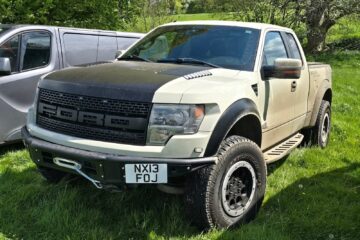
Ford trucks and SUVs often work harder in summer, towing boats or carrying families on long trips. Check trailer tyres and lights, the hitch and safety chains, and avoid overloading. Towing increases engine and transmission heat; allow extra cool-down time after long climbs. Compare towing-friendly models in our Ford model comparison.
Frequently asked questions
How often should I check tyre pressure in summer?
At least every two weeks, and before any long trip, with the tyres cold.
Should I replace my battery before summer?
Not automatically, but have it tested. If it is weak or several years old, replacing it before the hottest months is sensible.
Is it safe to use the AC on full all the time?
Yes, the system is designed for it, but a well-maintained system with a clean filter will work more efficiently.
Can I top up coolant with water?
In an emergency water can help you reach a workshop, but the system should then be refilled with the correct Ford-approved coolant.
Sources: RTA Dubai, Ford owner resources, Abu Dhabi Police
Cover photo: Lylodo, CC BY-SA 3.0. Last reviewed: 2026-11-25.



0 Comments