The Ford Transit is a large van sold in panel van, passenger (bus) and chassis-cab versions, and it is one of the most common commercial vehicles in the world. In the UAE it is used for deliveries, trades, staff transport and conversions. Choosing the right Transit is about matching body, roof height, length and seating to the job, then checking the licensing and registration rules for how you will use it.
A quick history
Ford launched the Transit in Europe in 1965, and it quickly became the default van for tradespeople, couriers and emergency services across Britain and much of Europe. Over the decades it has grown in size and variety, and newer generations are sold widely in Asia, the Middle East and the Americas. Ford also sells smaller vans under the Transit Custom and Transit Connect names in some markets, so check exactly which model a listing refers to.
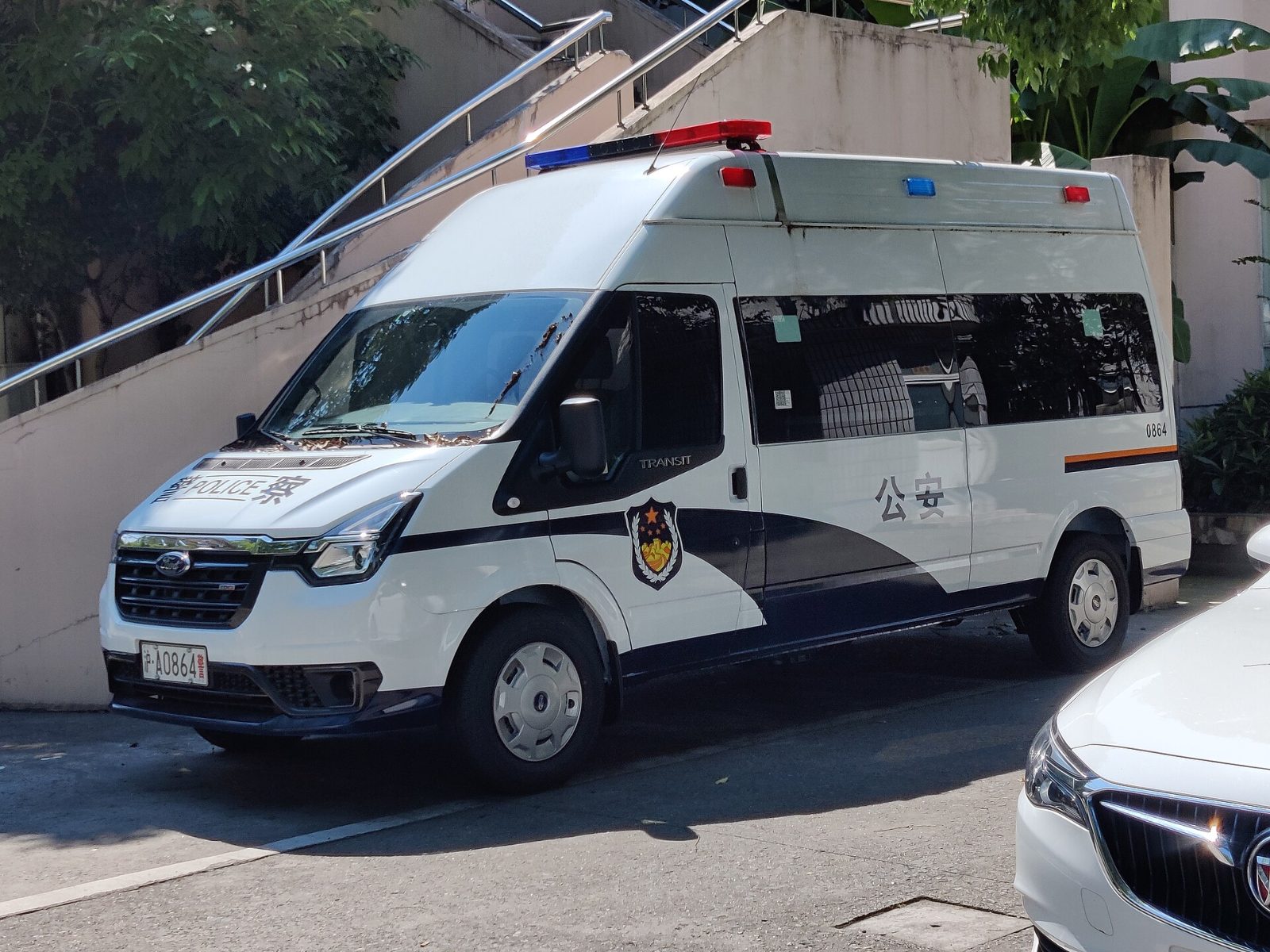
Body types and what they suit
| Version | Description | Typical UAE uses |
|---|---|---|
| Panel van | Enclosed cargo area, no rear windows | Deliveries, trades, e-commerce logistics |
| Passenger van or bus | Rows of seats, windows, extra doors | Staff transport, hotel shuttles, tour groups |
| Kombi or crew van | Second row of seats plus cargo area | Crews with tools |
| Chassis cab | Cab with a bare frame behind | Custom bodies: refrigerated boxes, tippers, recovery |
| Conversions | Ambulances, camper vans, mobile workshops | Specialist use |
Availability depends on the importer. Ask the official Ford dealer which versions, lengths and roof heights are sold locally and which can be ordered.
Lengths, roof heights and payload
Transits come in several wheelbases, overall lengths and roof heights. The choice matters for:
- Load volume. Longer and taller vans carry more boxes, but are harder to park.
- Standing height. Trades that work inside the van benefit from a high roof.
- Parking. Basement car parks and loading bays may have height restrictions; check before choosing a high roof.
- Payload. The maximum weight you can carry depends on the version. Overloading affects braking, tyres and legality.
Write down your real load
Before visiting a dealer, list what you carry on a typical day: number of boxes and their size, tools, equipment weight, number of passengers. Match the van to that list rather than the biggest model on display.
Using a Transit for business in the UAE
Commercial use brings extra steps. Rules differ between emirates and change over time, so check the official sources for your emirate before buying.
- Registration. Vans used commercially are generally registered under a trade licence. Your company’s licence activity should match the use.
- Passenger transport. Carrying staff, tourists or students can require specific permits, vehicle standards and driver licences. Dubai’s RTA and the equivalent authorities in other emirates publish requirements.
- Driver licences. Large passenger vans may require a different licence category than a standard car licence. Confirm before hiring drivers.
- Insurance. Commercial policies differ from private ones. Declare the real use and passenger numbers.
- Branding. Vehicle advertising and livery may need approval in some emirates.
Overloading and heat
An overloaded van on hot UAE roads stresses tyres, brakes and the cooling system. Tyre failures are a known cause of accidents in summer. Check pressures weekly, replace old tyres by age as well as tread, and never exceed the rated payload.
Running costs
Vans run long hours in heat, so maintenance is the main cost to control:
| Item | Why it matters |
|---|---|
| Tyres | Heavy loads and heat wear them fast; check date codes |
| Brakes | Stop-start delivery routes wear pads and discs quickly |
| Cooling and A/C | Driver comfort and engine health depend on them |
| Batteries | Heat shortens battery life; frequent stops add strain |
| Fuel | Route planning and avoiding idling cut costs |
| Servicing | Follow the severe-use schedule for delivery or high-mileage work |
For fleet buyers, a service contract with the dealer can make costs predictable. Use our car loan calculator to compare financing for one van against several.
Buying a used Transit
Used vans often have hard lives. Look for:
- Full service records and mileage consistent with the van’s history
- Damage to the cargo area floor and walls, and signs of water leaks
- Worn clutch or gearbox issues, especially on high-mileage delivery vans
- Suspension sag from overloading
- Rust on vans that worked near the coast
- Accident and finance history checked by VIN
The right Transit is the one sized for your real daily load, not the biggest one on the forecourt.
Electric options
Ford sells an electric E-Transit in some markets. Availability, charging support and incentives in the UAE change over time, so ask the official dealer. For fixed urban delivery routes with depot charging, an electric van can make sense; for long intercity runs, check range in summer heat. Compare Ford’s range on our Ford model comparison page.
Frequently asked questions
Can I drive a Ford Transit with a normal car licence in the UAE?
It depends on the vehicle’s weight and seating. Check the licence category requirements with your emirate’s licensing authority.
Is the Transit good for staff transport?
Passenger versions are widely used for it. Check permits and vehicle standards for passenger transport in your emirate.
Which Transit roof height should I choose?
Choose by what you carry and where you park. High roofs suit tradespeople working inside the van; check car park height limits.
Are Transit parts easy to find?
Generally yes, given the van’s popularity. Order by VIN to ensure correct fit.
Sources: Ford Motor Company, Roads and Transport Authority Dubai, UAE Government portal
Last reviewed: 2026-11-25.


0 Comments